
Welcome to Amur-Heilong Journey - Discover Local Stories, Natural Beauty, and Life Along the River
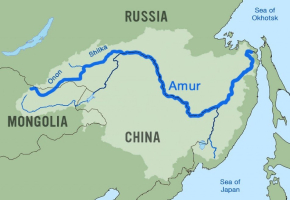
The Amur-Heilong River has an approximate length of 4,400 kilometers, with its meandering way traveling through three countries: China, Russia, and a little corner of Mongolia. Somehow, this river begins with a small and restrained stream high up in the mountains of northeastern China. Moving downstream, it collects the exultation in its width from many side tributaries and ultimately flows into the Pacific Ocean.
Filled with life, history, and connection is its natural corridor is. Ancient peoples' movements, towns that came into being only to be shut down and vanish, changing seasons, year after year: tall trees grow to great heights on its shores, fish frolic in its currents, and birds nest in the quiet reeds across its edge. The Amur-Heilong River basin acts bare in bridging cultures with ecosystems, and that is among the singularities and beautifications of Asia. Amur-Heilong Journey invites you to follow the river's path and uncover its landscapes, cultures, and untold stories—one winding bend at a time.
People Who Live by the River
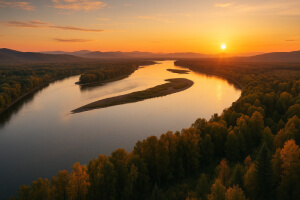
The communities along the Amur-Heilong and varied, like the river itself. Here, Russian, Chinese, and Mongolian cultures mix in with some Indigenous groups that have entangled with land and water since time immemorial. Among them are the Nanai, Hezhen, Evenki, Daur, Oroqen, and Buryats, each with their language, history, and customs. Many of these groups still maintain their homes in coastal villages that lie in proximity to the river, fishing, farming, and harvest forest products.
Life here still follows ancient patterns. Elders tell stories by the fire. Children learn how to paddle canoes and carve wooden figures. The clothing, food, and music express the culture of people who have descended from far back. Visitors might be welcomed with warm tea, fresh fish from the river, and an air of heartfelt conversation. To be close to people in the rest of this land is, therefore, not just to see how they do things; it is to see a way of life that respects nature, honors history, and chooses people first over convenience.
A Home for Rare and Wild Creatures
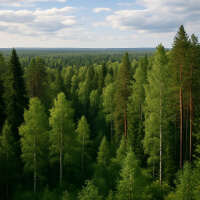
Nature thrives in the Amur-Heilong Basin. It's one of the last places in the world where large wild animals still roam across borders. Deep in the forests of Russia and China, the Amur tiger—the largest big cat on Earth—lives a hidden life, stalking silently through snowy woods. The elusive Amur leopard, even rarer than the tiger, has found safe ground thanks to growing conservation efforts. Seeing one in the wild is a once-in-a-lifetime experience.
Birds are everywhere here. In spring and autumn, skies fill with flocks of red-crowned cranes, swan geese, and other migratory birds. These birds travel thousands of kilometers, resting in the Amur wetlands where they find safety, food, and space to nest. Beneath the water, ancient fish like the kaluga sturgeon—a creature that predates the dinosaurs—still swim through the river's deep channels. Insects, frogs, bears, foxes, and deer all play a role in this ecosystem, reminding visitors that this basin is a world where nature still sets the pace.
Villages and Nature Parks to Explore
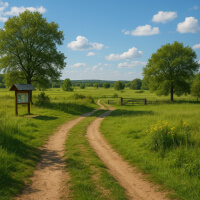
There are no theme parks or flashy attractions here—just wide skies, wild forests, and welcoming people. Travel through the Amur-Heilong region offers something more powerful than amusement: the feeling of stepping into a real, lisving landscape. In Russia, you can hike through Bolshekhekhtsirsky Nature Reserve, where trails lead through old-growth trees and birdsong fills the air. In China, the Sanjiang Nature Reserve is known for its peaceful wetlands and stunning birdwatching opportunities. In Mongolia, the Daurian Steppe opens up like an endless sea of grass.
Many villages still keep traditions alive. Visitors might stay in a wooden house, eat a meal cooked over an open flame, or watch crafts being made by hand. Travel may be slow and simple here—many roads are unpaved, buses infrequent, and phone service unreliable—but that's part of the charm. The journey itself becomes a chance to reflect, breathe deeply, and see the world in a new way.
The River's Way of Life
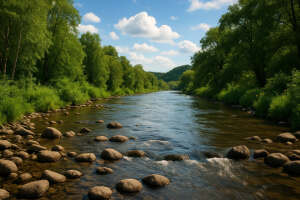
To understand the people of the Amur-Heilong, you must understand the river. It has shaped the way people live for thousands of years. Fishing was, and still is, a key part of survival. Whole families work together to mend nets, smoke fish, and prepare boats for the day's journey. Some Indigenous groups have rituals that bless the river and thank it for its bounty. A carved wooden fish might hang in a home not just as decoration, but as a symbol of balance between humans and nature.
Long ago, traders used the river as a route to move goods between China and Russia. Boats carried tea, furs, salt, and stories from one village to the next. Some families lived seasonally in floating houses, following the fish as they migrated upstream. Today, though technology has changed parts of daily life, the relationship with the river remains strong.
Food and Traditions from the Region
Food in the Amur-Heilong region comes straight from nature. In Russian villages, meals often include smoked fish, dumplings, and soups made from forest mushrooms. Chinese homes serve steamed carp, stir-fried greens, and bowls of warm rice. In Mongolia, families eat hearty meat stews, flatbread, and yogurt made from sheep or horse milk. Guests are always fed well, often with ingredients caught, grown, or foraged nearby.
Festivals are colorful, lively, and full of meaning. The Hezhen Fish Festival celebrates the river's role in daily life, with songs, dance, and river-based games. In Mongolia, the Naadam Festival includes horse racing, wrestling, and archery—events that reflect the skills of traditional herders. In Russian towns, harvest time is marked with songs, bread baking, and community feasts. Even everyday habits carry meaning: a moment of silence before a meal, a small offering to the fire, or a family story shared.
Tips for Your Trip
Traveling in this region takes patience and consideration, but with all that, it rewards you with rich experiences. The Trans-Siberian Railway could carry you through cities like Khabarovsk, and northeastern Chinese trains connect Harbin with Qiqihar and small stations near reserves. In Mongolia, due to the distance from civilization, getting to the remotest places implies long drives through open country.
The weather is fast-changing here. Spring is wet with life. Summer is warm with green, plus the mosquitoes. Fall is for gold trees and skies much clearer, while snow deposits the world high during winter. Keep dressing for layers; always carry cash, and be ready for very limited internet access. Visas and border rules will differ, depending on your country, so plan if you want to hop across Russia, China, and Mongolia. Most importantly, keep your mind open: what you learn here can't be found in any guidebook!
Begin Your Amur-Heilong Journey
The Amur-Heilong Journey is not merely a trip; it is an invitation to slow down, notice more, and build deeper connections. Whether you are a traveler, student, naturalist, or merely one who wonders about distant places, you are bound to find something here for yourself. Nothing fancy-high-end hiking equipment or intellectual software applications is needed. All you need are open eyes, a kind heart, and a sense of mystery.
Let the river lead you. Let the land surprise you. Let the people be your teachers. Your journey starts now.

Top 10 Facts About the Amur Heilong River
The Amur Heilong River is one of Asia's most powerful and fascinating rivers. Flowing for thousands of kilometers through northeastern China, the Russian Far East, and touching parts of Mongolia, it plays a huge role in both the natural world and human history.
Read more